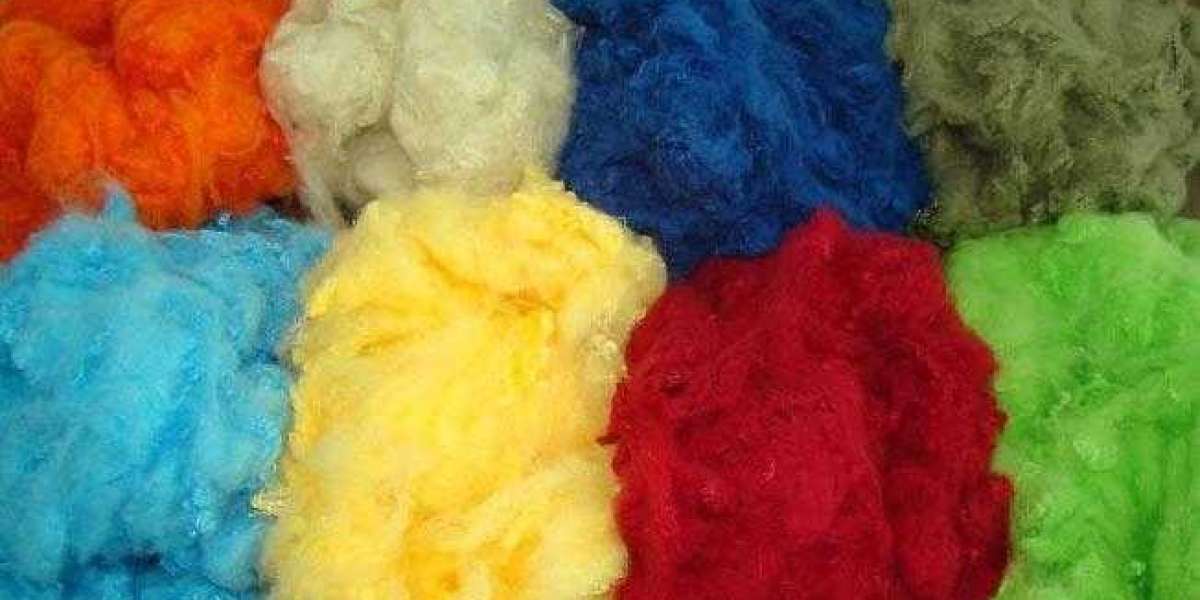

The global polyester staple fiber (PSF) market continues to gain momentum as industries increasingly prioritize cost-effective, durable, and sustainable materials for diverse applications. Polyester staple fiber, known for its versatility and high performance, remains a critical raw material used across textiles, automotive interiors, furnishings, hygiene products, and nonwoven applications. Its widespread adoption is driven by its advantageous properties such as high tensile strength, resistance to shrinking, ease of dyeing, and exceptional durability in comparison with natural fibers. In 2023, the industry witnessed significant demand from both emerging and established economies, supported by a steady recovery in manufacturing and a rise in consumer spending on apparel, home furnishings, and industrial textiles. Furthermore, sustainability is shaping market behavior as recycled polyester staple fiber gains traction globally, encouraging new investments in circular manufacturing systems and eco-friendly production technologies.
Market Size and Growth
The global polyester staple fiber market was valued at US$ 31.8 billion in 2023, indicating a strong position within the global fiber and textile ecosystem. Over the next decade, the market is expected to maintain stable expansion, achieving a compound annual growth rate (CAGR) of 4.7% between 2024 and 2034. By 2034, the market is projected to reach US$ 52.4 billion, underlining its resilient growth trajectory despite macroeconomic uncertainties. Much of this growth is attributed to the rapid rise in demand for technical textiles, significant expansion of the hygiene products sector, and increasing acceptance of recycled PSF as a sustainable alternative to virgin polyester. Additionally, government policies promoting domestic textile production and rising investments in modernizing manufacturing facilities are expected to further support long-term market expansion. As industries shift toward materials offering both performance and sustainability, polyester staple fiber stands out as a preferred choice, reinforcing its critical role in global industrial and consumer markets.
Market Segmentation
Polyester staple fiber markets are primarily segmented based on product type, origin, application, and end-use industries. By product type, the market includes solid PSF and hollow PSF, each meeting different performance requirements across industries. Solid PSF is widely used in textiles and nonwovens, while hollow PSF is preferred for cushioning, insulation, and stuffing applications due to its lightweight structure and superior resilience. In terms of origin, the market is segmented into virgin PSF, recycled PSF, and blend PSF, with recycled PSF gaining substantial prominence as brands and manufacturers strengthen their sustainability commitments. Based on application, PSF finds use in apparel, home furnishings, automotive textiles, hygiene products, construction materials, and industrial applications. End-use segmentation includes industries such as textile and fashion, automotive, healthcare, packaging, and furniture manufacturing, each of which contributes to consistent long-term demand. These varied segments highlight the broad applicability of PSF and its evolving role across modern industrial value chains.
Regional Analysis
Regionally, the polyester staple fiber market is dominated by Asia-Pacific, which accounts for the majority of global production and consumption. Countries such as China, India, Indonesia, and Vietnam possess a robust textile manufacturing base, supported by favorable government policies, low labor costs, and strong export-oriented industries. China remains the global leader, driven by its massive production capacity, integrated supply chain, and strong presence of leading manufacturers. North America shows steady demand growth due to increasing consumption in furniture, automotive interiors, and hygiene products, while Europe demonstrates rising interest in recycled PSF as sustainability policies tighten across the region. Latin America and the Middle East Africa markets are experiencing gradual growth, supported by expanding domestic textile industries, rising disposable incomes, and growing imports of PSF-based consumer goods. Overall, regional diversification highlights a globally competitive market structure with unique demand drivers shaping consumption patterns in each geography.
Market Drivers and Challenges
A number of key drivers are fueling growth in the polyester staple fiber market. The expanding global population, rising urbanization, and increasing per-capita expenditure on apparel and home furnishings continue to boost demand. Additionally, the shift from natural to synthetic fibers—owing to the durability, affordability, and performance benefits of polyester—further supports market expansion. The rising adoption of recycled PSF, driven by corporate sustainability initiatives and consumer demand for environmentally responsible products, is also advancing market growth. However, the industry faces several challenges, including volatility in crude oil prices, which affects the cost structure of virgin polyester. Environmental regulations concerning plastic waste and chemical usage also pose restrictions, prompting manufacturers to innovate in greener production technologies. Supply chain disruptions, trade barriers, and rising competition from alternative fibers likewise create complexities that market players must navigate to sustain profitability.
Market Trends
A key trend reshaping the polyester staple fiber industry is the rapid emergence of recycled PSF, produced from post-consumer PET bottles and textile waste. This shift aligns with global circular economy initiatives and continues to influence purchasing decisions across major brands and manufacturers. Another notable trend is the increasing use of PSF in technical textiles, including geotextiles, filtration media, automotive components, and industrial composites, where performance characteristics outweigh cost considerations. Advancements in fiber technology—such as anti-bacterial fibers, flame-retardant PSF, and ultra-soft microfibers—are also expanding application possibilities. Furthermore, digital transformation in manufacturing, including the integration of automated processes and AI-driven quality control systems, is enhancing efficiency, reducing waste, and boosting overall production output.
Competitive Landscape
The polyester staple fiber market remains highly competitive, featuring a mix of global giants and specialized regional manufacturers. Some of the leading market players include Alpek S.A.B. de C.V., Indorama Ventures, Toray Industries, Inc., China Petroleum Chemical Corporation (Sinopec), Reliance Industries Limited, Barnet Europe W. Barnet GmbH Co. KG, Far Eastern New Century, Tongkun Group, Zhejiang Heng Sheng Chemical Fibre Co., Ltd., Zhejiang Hengyi Group, Jiangsu Sanfangxiang Group Co., Ltd., Lucky Core Industries, XINDA Corp, Komal Fibres, Bombay Dyeing, Nirmal Fibres (P) Ltd., and Ganesha Ecosphere. These companies are heavily investing in capacity expansion, product innovation, recycling infrastructure, and sustainable production processes to strengthen their competitive advantage. Strategic partnerships, mergers, and acquisitions are also shaping the competitive environment by enabling companies to increase their market share, enhance supply chain integration, and broaden their geographic presence.
Future Outlook
Looking ahead to 2034, the polyester staple fiber market is expected to experience continued growth driven by a combination of technological advancements, rising demand for high-performance materials, and increasing global focus on sustainability. The shift toward eco-friendly production methods and the increasing role of recycled PSF will play a defining role in shaping future market dynamics. Investments in advanced manufacturing technologies, expansion into emerging markets, and innovative fiber solutions will further contribute to growth. As industries increasingly demand lightweight, durable, and cost-efficient materials, PSF is well-positioned to remain a preferred fiber across both consumer and industrial segments. The market’s evolution toward a more sustainable and technologically advanced future ensures long-term stability and opportunities for innovation.
About Transparency Market Research
Transparency Market Research, a global market research company registered at Wilmington, Delaware, United States, provides custom research and consulting services. Our exclusive blend of quantitative forecasting and trends analysis provides forward-looking insights for thousands of decision makers. Our experienced team of Analysts, Researchers, and Consultants use proprietary data sources and various tools techniques to gather and analyses information.
Our data repository is continuously updated and revised by a team of research experts, so that it always reflects the latest trends and information. With a broad research and analysis capability, Transparency Market Research employs rigorous primary and secondary research techniques in developing distinctive data sets and research material for business reports.
Contact:
Transparency Market Research Inc.
CORPORATE HEADQUARTER DOWNTOWN,
1000 N. West Street,
Suite 1200, Wilmington, Delaware 19801 USA
Tel: +1-518-618-1030
USA – Canada Toll Free: 866-552-3453