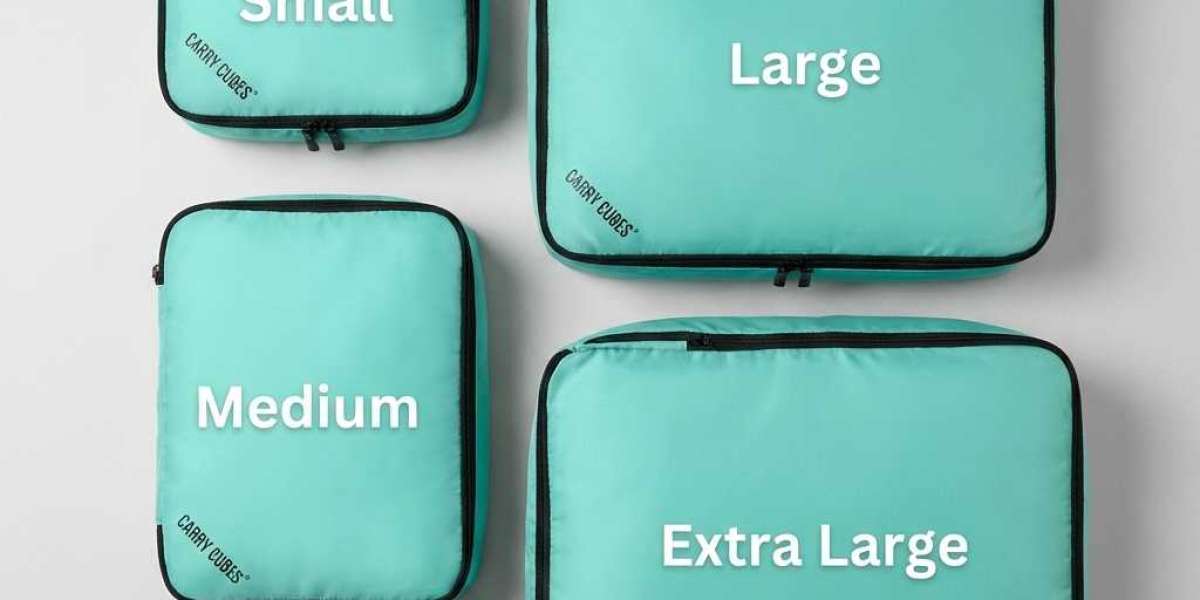

Material selection fundamentally determines best packing cube performance, durability, and suitability for different travel scenarios. Understanding the characteristics, advantages, and limitations of various materials empowers informed purchasing decisions ensuring your packing cubes match your specific requirements. This comprehensive guide explores materials used in the best packing cubes, helping you select ideal options for your travel style.
Nylon Packing Cubes
Material Characteristics
Nylon represents the premium material choice for quality packing cubes. This synthetic fabric offers exceptional strength-to-weight ratios, excellent abrasion resistance, and superior durability compared to alternatives. Nylon fibres possess inherent elasticity allowing fabric stretch without permanent deformation, whilst maintaining shape integrity throughout extensive use. The material naturally resists tears and punctures, making it ideal for travel equipment facing constant stress.
Advantages of Nylon
The best nylon packing cubes provide outstanding durability lasting years despite frequent use. Nylon's smooth surface resists snagging on luggage interiors or clothing zippers, preventing damage during packing and unpacking. The material accepts water-resistant coatings effectively, enhancing moisture protection. Nylon cubes maintain appearance longer than polyester alternatives, resisting fading and wear more successfully throughout ownership.
Nylon Variations
Premium packing cubes often specify fabric density—210D nylon offers lightweight construction suitable for occasional travel, 300D provides balanced durability-weight ratios ideal for frequent travellers, whilst 420D delivers maximum durability for adventure travel and rough handling. Ripstop nylon incorporates reinforcement threads preventing tear propagation, offering enhanced longevity.
Top Nylon Options
Eagle Creek Pack-It cubes utilise premium nylon construction with excellent durability. Gonex employs ripstop nylon balancing strength with lightweight properties. REI Co-op uses heavy-duty nylon suited for outdoor adventures. These nylon cubes justify higher pricing through superior longevity and performance.
Polyester Packing Cubes
Material Properties
Polyester represents the most common packing cube material, offering solid performance at accessible price points. This synthetic fabric provides adequate durability for typical travel whilst maintaining affordability. Polyester resists wrinkles effectively and dries quickly when exposed to moisture, making it practical for varied travel conditions.
Polyester Benefits
The best polyester packing cubes deliver excellent value through reliable functionality at budget-friendly prices. Polyester accepts dyes readily, enabling vibrant colour options for colour-coded organisation systems. The material maintains dimensional stability, preventing cubes from stretching or warping over time. Polyester's widespread availability keeps manufacturing costs reasonable, making quality cubes accessible to broader audiences.
Polyester Limitations
Compared to nylon, polyester offers slightly lower abrasion resistance and may show wear more quickly with extensive use. The material feels less smooth than nylon, occasionally snagging on rough surfaces. Polyester cubes typically suit occasional travellers or those prioritising affordability over maximum longevity.
Quality Polyester Choices
Amazon Basics uses durable polyester providing exceptional value. Bagail employs quality polyester in comprehensive sets. TravelWise incorporates reliable polyester offering solid mid-range performance. These options prove perfectly adequate for most travel needs whilst remaining budget-conscious.
Mesh Materials
Mesh Panel Function
Mesh materials in packing cube panels serve dual purposes—providing content visibility and enabling breathability. The best mesh balances transparency with durability, resisting snags and tears despite regular use. Quality mesh features reinforced edges preventing unravelling, whilst maintaining adequate strength supporting cube structure.
Mesh Advantages
Breathable mesh panels prevent musty odours during extended storage by allowing air circulation. This ventilation proves particularly valuable for worn clothing stored in cubes during multi-day trips without laundry access. Visual transparency enables instant content identification without opening cubes, saving considerable time during travels.
Mesh Durability Concerns
Inferior mesh develops holes quickly, compromising cube integrity and potentially allowing small items to escape. Premium packing cubes use reinforced mesh specifically engineered for luggage applications, withstanding abrasion from suitcase interiors and repeated handling. Test mesh strength before purchasing—quality mesh stretches slightly but resists tearing.
Blended Materials
Hybrid Construction
Some premium packing cubes incorporate blended materials combining nylon and polyester advantages. These hybrid constructions might use nylon for high-stress areas like base panels and corners, whilst employing polyester for side panels reducing weight. This strategic material placement optimises performance whilst managing costs.
Performance Benefits
Blended material cubes achieve excellent durability-weight-cost balances. The engineering approach targets specific performance characteristics—strength where needed, lightweight construction elsewhere. These cubes often provide near-premium performance at mid-range pricing, representing excellent value for discerning travellers.
Water-Resistant and Waterproof Materials
Coated Fabrics
Water-resistant packing cubes feature DWR coatings applied to base nylon or polyester fabrics. These treatments cause water to bead rather than penetrate, protecting contents from spills and humidity. Quality coatings maintain effectiveness through numerous uses, though reapplication may become necessary after extended periods.
Laminated Waterproof Options
Premium waterproof cubes use laminated fabrics or TPU coatings providing complete moisture barriers. These advanced materials suit adventure travellers facing harsh weather conditions, though they typically add weight and cost. Waterproof cubes protect electronics and valuable items requiring absolute moisture protection.
Sustainable Material Options
Environmental consciousness drives some manufacturers toward recycled materials. Recycled polyester packing cubes offer similar performance to virgin polyester whilst reducing environmental impact. These sustainable options appeal to eco-conscious travellers willing to support environmentally responsible manufacturing.
Understanding material characteristics ensures you select packing cubes perfectly matched to your durability requirements, budget considerations, and specific travel conditions.