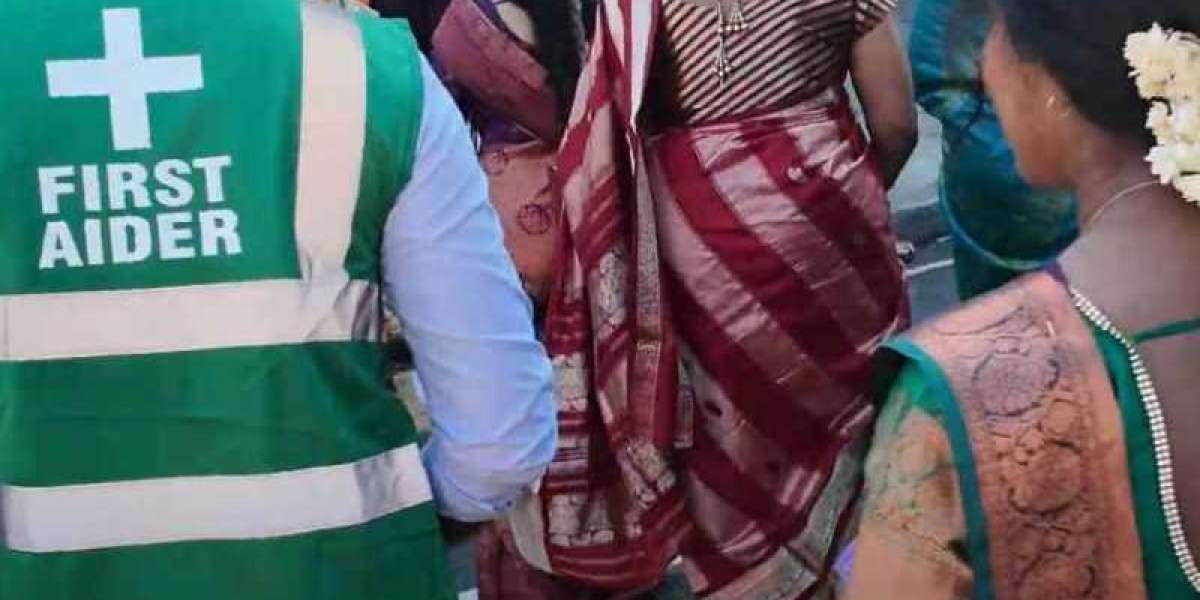

First aid welfare services play a crucial role in maintaining safety and well-being in workplaces and events. These services provide immediate medical attention during emergencies, prevent minor injuries from becoming serious, and ensure compliance with health and safety regulations. Across industries and public gatherings, first aid welfare teams protect employees, attendees, and the general public, creating safer environments and instilling confidence in safety procedures.
Rapid Response in Emergencies
One of the primary benefits of first aid welfare services is the ability to respond quickly during medical emergencies. Accidents in workplaces, such as slips, trips, falls, or equipment-related injuries, can happen at any time. Events with large crowds, such as concerts, sports competitions, or festivals, also carry risks of dehydration, fainting, or injuries. First aid welfare personnel are trained to assess situations rapidly, administer care, and stabilize patients before transferring them to professional medical facilities if needed. Immediate intervention can prevent minor incidents from escalating into serious medical situations.
Compliance with Workplace Safety Regulations
Workplace safety regulations, such as those set out by the Health and Safety Executive (HSE) in the UK, require businesses to provide adequate first aid support. Companies implementing first aid welfare services not only comply with legal obligations but also demonstrate a commitment to employee welfare. In industries like construction, manufacturing, and hospitality, having trained first aid personnel on-site ensures that staff can act confidently during emergencies, reducing panic and maintaining order. For office environments and smaller businesses, first aid welfare services provide peace of mind and reassurance that employee health is a priority.
Risk Prevention and Safety Awareness
Beyond emergency response, first aid welfare services contribute to risk prevention and awareness. Teams often conduct training sessions, safety drills, and health workshops, educating employees and event staff on proper safety practices. This proactive approach helps minimize accidents and improves overall safety culture. At public events, first aid welfare personnel can identify potential hazards, guide organizers, and address minor medical issues before they become serious, creating a secure environment for all.
Specialized Support for Events
Large events require specialized first aid welfare services due to the high volume of attendees and unpredictable situations. Festivals, concerts, sports events, and trade shows present unique challenges, including crowd control, weather-related risks, and incidents involving alcohol or food. First aid welfare teams are equipped with medical kits, automated external defibrillators (AEDs), and other essential tools to manage emergencies efficiently. Their presence reassures attendees and staff, ensuring medical support is available at all times and encouraging safe participation.
Supporting Mental and Emotional Well-Being
First aid welfare services also support psychological well-being. Personnel are trained to provide not only physical care but also psychological first aid during stressful or traumatic incidents. In workplaces, employees who witness accidents or medical emergencies may require support to manage shock or anxiety. Event attendees involved in minor or major incidents also benefit from immediate emotional support, which helps reduce trauma and promote quicker recovery. The combination of physical and mental care ensures holistic safety.
Cost-Effective and Efficient
Investing in first aid welfare services is a cost-effective strategy for employers and event organizers. Prompt medical intervention reduces the likelihood of prolonged absences, complicated injuries, and potential legal liabilities. Businesses that prioritize safety enhance their reputation, boost employee morale, and foster trust within the community. Event organizers benefit from visible first aid support, as attendees feel safer and more confident, positively influencing participation and overall success.
Technology Enhances First Aid Services
Modern first aid welfare teams often use technology such as mobile apps, communication devices, and monitoring systems to coordinate responses, track incidents, and deploy resources quickly. At large-scale events, this enables teams to manage multiple medical incidents simultaneously and respond efficiently. In workplaces, digital reporting helps identify recurring hazards, refine safety protocols, and prevent future accidents, improving overall safety standards.
Flexibility Across Settings
First aid welfare services are adaptable to a variety of environments. Small offices may require a single trained officer, while large industrial sites or public events need a full team with specialized equipment. Regardless of scale, the mission remains the same: provide immediate care, ensure safety, and reduce the impact of medical emergencies. This flexibility makes first aid welfare services indispensable for organizations of all sizes and types.
Conclusion
First aid welfare services are essential for maintaining safety, health, and well-being in workplaces and public events. They provide immediate medical intervention, support risk prevention, enhance compliance with safety regulations, and offer emotional support during emergencies. Across industries and large gatherings, first aid welfare personnel play a critical role in reducing injuries, improving outcomes, and fostering a culture of preparedness. By investing in first aid welfare services, employers and event organizers demonstrate a commitment to protecting lives, building trust, and promoting safer environments for everyone.