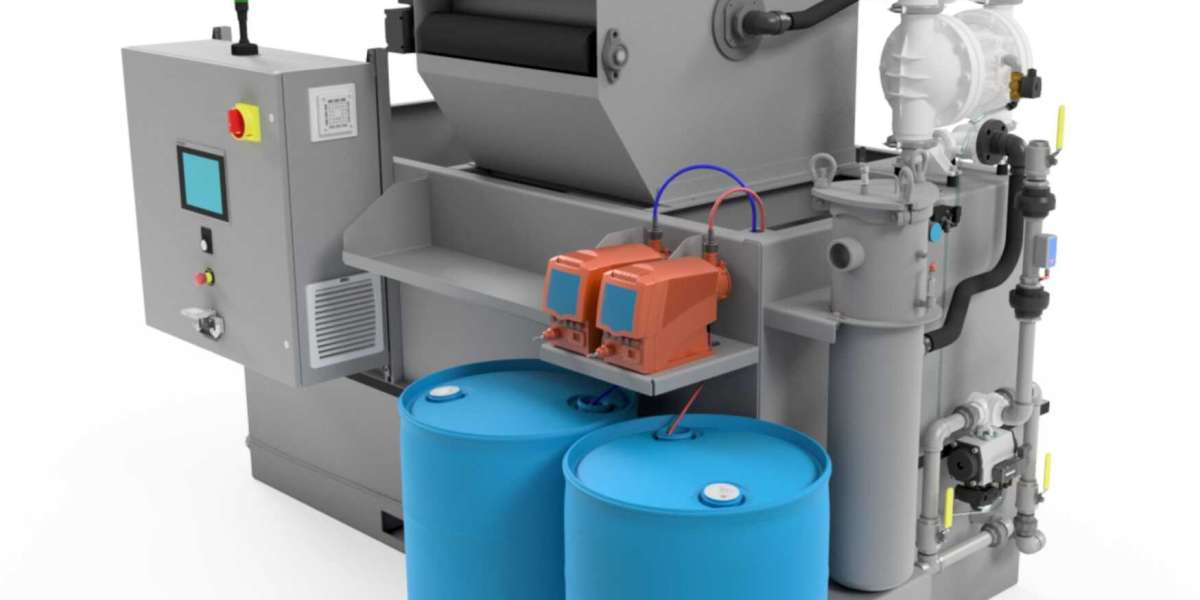

Implementing closed loop water reuse manufacturing is becoming a strategic priority for modern industries aiming to reduce water consumption, lower costs, and meet sustainability goals. Instead of treating wastewater as a byproduct to dispose of, closed-loop systems transform it into a reusable resource within the manufacturing process.
In a traditional linear system, water is used once and then discharged after treatment. In contrast, closed-loop manufacturing systems collect, treat, and recirculate water back into production. This approach significantly reduces the need for fresh water intake and minimizes wastewater discharge.
The core principle of closed loop water reuse manufacturing is simple: treat water on-site to a level where it can be safely reused. This involves multiple stages of treatment, including filtration, oil separation, and chemical balancing such as pH adjustment. Once the water meets required quality standards, it is routed back into the process instead of being discharged.
One of the most important components in this system is pH control. Maintaining the correct pH ensures that recycled water does not damage equipment or interfere with production processes. Automated pH adjustment systems monitor water conditions in real time and neutralize it before reuse, ensuring consistency and reliability.
A major benefit of closed loop water reuse manufacturing is the reduction in freshwater consumption. Facilities can dramatically decrease their dependence on municipal or natural water sources, which is especially valuable in regions facing water scarcity. Some systems are capable of reusing up to 80–90% of process water, significantly improving resource efficiency.
Another key advantage is cost savings. By recycling water internally, companies reduce expenses related to water purchasing, wastewater treatment, and disposal. Eliminating or reducing discharge fees can have a major financial impact, particularly for high-volume operations.
Environmental compliance is also easier to maintain with closed-loop systems. Since less wastewater is discharged, the risk of violating environmental regulations is greatly reduced. In some cases, facilities can achieve near zero-liquid discharge (ZLD), meaning almost all wastewater is treated and reused on-site.
Closed loop systems also improve operational efficiency. By maintaining consistent water quality, they help stabilize production processes. For example, in metalworking or machining operations, consistent coolant quality improves tool life and product quality. This reliability reduces downtime and increases overall productivity.
Another important benefit is sustainability. Water conservation is a growing concern globally, and closed loop water reuse manufacturing supports corporate environmental goals. Reducing water consumption and waste generation helps companies lower their environmental footprint and meet sustainability standards such as ISO 14001.
These systems often integrate multiple technologies to achieve optimal performance. Common components include ultrafiltration for removing fine particles, reverse osmosis for eliminating dissolved impurities, and evaporation systems for concentrating waste streams. Together, these technologies create a complete water recycling solution tailored to specific industrial needs.
Automation is a key feature in modern closed-loop systems. Sensors continuously monitor parameters such as pH, temperature, and contaminant levels. This real-time data allows the system to adjust treatment processes automatically, ensuring that recycled water always meets required standards.
Industries that benefit most from closed loop water reuse manufacturing include metalworking, automotive production, aerospace, chemical processing, and food manufacturing. These sectors generate significant volumes of wastewater and can achieve substantial savings through reuse systems.
Another advantage is reduced environmental impact. By minimizing wastewater discharge, these systems help protect natural water bodies from pollution. They also reduce the energy required for water extraction and treatment, contributing to overall sustainability.
Despite the many benefits, proper system design and maintenance are essential. Water quality requirements vary depending on the application, so treatment processes must be carefully selected and optimized. Regular monitoring and maintenance ensure long-term performance and reliability.
Closed loop systems also offer flexibility. They can be scaled to fit small operations or large industrial facilities, making them accessible to a wide range of industries. Modular designs allow companies to expand their systems as production needs grow.
In conclusion, closed loop water reuse manufacturing is a forward-thinking approach to industrial water management. By recycling water within the production process, it reduces costs, improves efficiency, ensures compliance, and supports sustainability.