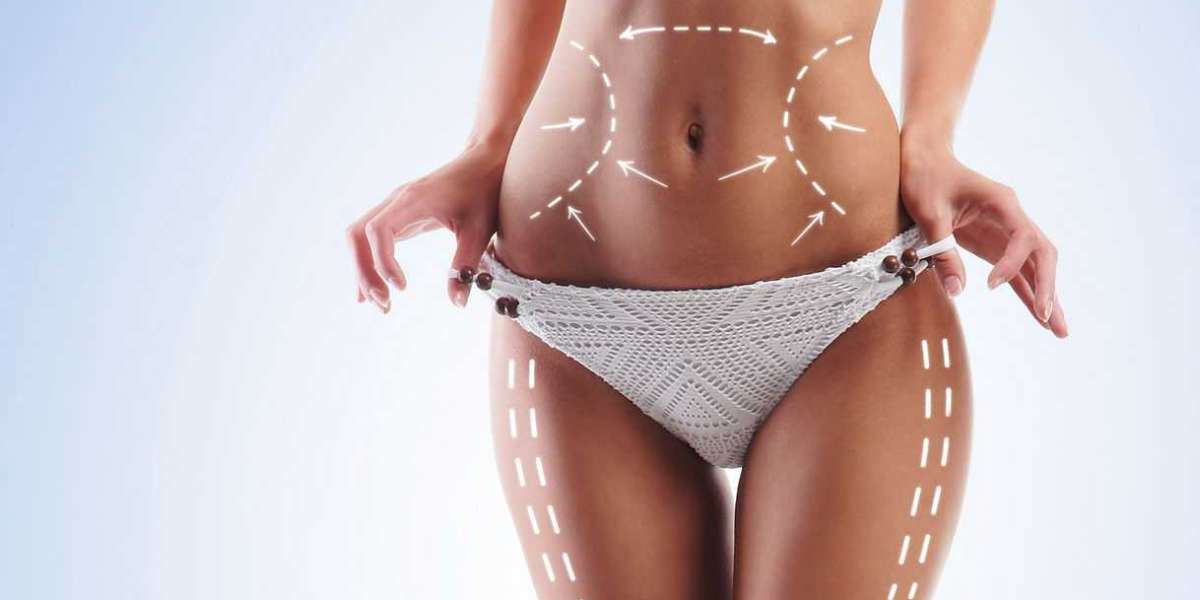

As non-invasive body contouring continues to grow in popularity, many patients are turning to advanced technologies like Liposonix treatment to reduce stubborn fat without surgery or downtime. With increasing interest comes a wide range of questions about how it works, what to expect, and whether the results are truly worth it. Understanding the most common concerns patients raise helps provide clarity and ensures individuals make informed decisions before undergoing the procedure.
What Exactly Is Liposonix:
One of the first questions patients ask is what the treatment actually involves. It is a non-surgical fat reduction method that uses focused ultrasound energy to target and destroy fat cells beneath the skin. Key points include:
- Non-invasive body contouring procedure
- Uses high-intensity focused ultrasound (HIFU)
- Targets specific fat deposits under the skin
- Gradually removes fat through natural body processes
This makes it different from traditional surgical fat removal methods.
Is the Procedure Painful:
Many patients are concerned about discomfort during the session. While sensations vary from person to person, the procedure is generally tolerable. Common experiences include:
- Warm or tingling sensation in treated areas
- Mild pressure during energy delivery
- Short bursts of discomfort in sensitive zones
- Temporary soreness afterward
Most patients describe it as manageable rather than painful.
How Long Does a Session Take:
Another frequent question is about treatment duration and how it fits into a busy schedule. The procedure is relatively quick compared to surgical alternatives. Typical details include:
- Sessions usually last 30 to 90 minutes
- Depends on size and number of treatment areas
- No hospital stay or extended downtime required
- Patients can often return to daily activities immediately
This convenience is one of its biggest advantages.
When Will Results Be Visible:
Patients are often curious about how soon they will see changes in their body. Results develop gradually as the body processes destroyed fat cells. The timeline typically includes:
- Initial subtle changes within 3–4 weeks
- More visible results after 6–8 weeks
- Peak results around 8–12 weeks
- Continued improvement over several months
Patience is important for optimal satisfaction.
How Many Sessions Are Needed:
Many individuals want to know whether one session is enough or if multiple treatments are required. This depends on personal goals and body composition. General guidelines include:
- Some patients achieve results in one session
- Others may need additional sessions for better contouring
- Larger fat areas may require more treatment time
- Individual goals determine final treatment plan
A consultation helps determine the right approach.
Is It a Weight Loss Treatment:
A common misconception is that this procedure is designed for overall weight loss. In reality, it is focused on body contouring rather than scale reduction. Key clarifications include:
- Not intended for significant weight loss
- Targets localized fat deposits only
- Best suited for individuals near ideal body weight
- Helps improve body shape and definition
Understanding this distinction is essential.
What Areas Can Be Treated:
Patients often ask which parts of the body respond best to this technology. It is designed for stubborn fat areas that are resistant to diet and exercise. Common treatment zones include:
- Abdomen and lower belly
- Flanks and love handles
- Thighs and inner legs
- Upper arms and back area
These areas typically show noticeable improvement.
Are the Results Permanent:
Another important concern is whether fat returns after treatment. The answer depends on lifestyle habits. Key points include:
- Destroyed fat cells do not regenerate
- Results can be long-lasting with proper maintenance
- Remaining fat cells can still expand with weight gain
- Healthy lifestyle is essential for preserving results
This makes maintenance an important factor.
Is the Procedure Safe:
Safety is a major concern for most patients considering cosmetic treatments. This procedure is generally considered safe when performed by trained professionals. Safety highlights include:
- Non-invasive with no surgical incisions
- Minimal risk of infection or complications
- Controlled ultrasound energy targeting fat cells
- Approved technology used in aesthetic medicine
Proper consultation ensures suitability.
What Side Effects Can Occur:
Patients often want to know about possible side effects before committing to treatment. Most effects are mild and temporary. Common side effects include:
- Slight redness or swelling
- Temporary tenderness in treated areas
- Mild bruising in some cases
- Tingling or sensitivity for a short period
These usually resolve within a few days.
Who Is the Ideal Candidate:
Not everyone is suitable for this type of fat reduction, so patient selection is important. Ideal candidates typically include:
- Individuals close to their ideal body weight
- People with localized stubborn fat
- Those seeking non-surgical body contouring
- Patients with realistic expectations
A professional evaluation helps determine eligibility.
How Does It Compare to Other Treatments:
Patients often compare this procedure with other fat reduction methods to understand its advantages. Key comparisons include:
- Liposuction: surgical, faster but with downtime
- Cryolipolysis: freezes fat instead of heating it
- Diet and exercise: general fat loss but not targeted
- Liposonix treatment: non-invasive, targeted fat reduction
Each option has different benefits depending on goals.
Do Lifestyle Habits Affect Results:
Yes, lifestyle plays a significant role in maintaining and enhancing results. Even though fat cells are destroyed, habits still matter. Important factors include:
- Healthy and balanced diet
- Regular physical activity
- Stable body weight maintenance
- Avoiding excessive calorie intake
Good habits help preserve outcomes.
Why Consultation Is Important:
A consultation is a key step before undergoing treatment because it ensures safety and effectiveness. During this stage, practitioners:
- Assess body composition and fat distribution
- Review medical history
- Discuss expected outcomes
- Create a personalized treatment plan
This helps ensure realistic and successful results.
Final Thoughts:
Patients considering this non-invasive fat reduction method often have many questions, ranging from safety and results to treatment duration and expectations. Understanding these aspects helps individuals make informed decisions and approach the procedure with confidence. When performed on suitable candidates with realistic expectations, it offers a safe and effective way to improve body contour and reduce stubborn fat without surgery.