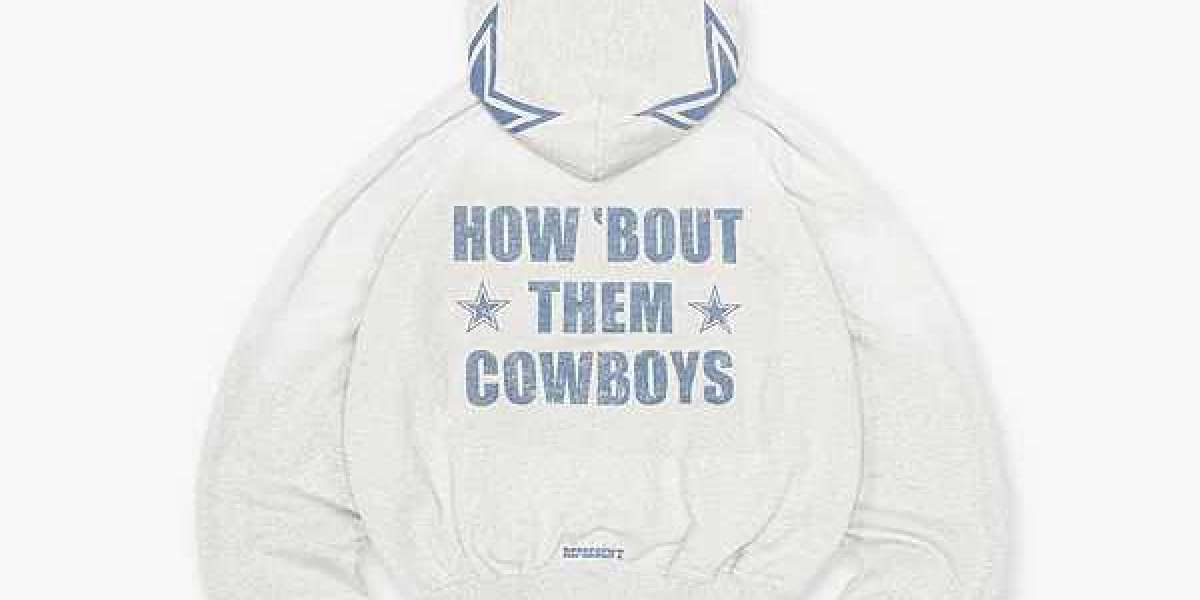

Before Represent Clo arrived on the scene in 2011, the UK streetwear market was largely divided between affordable high-street basics and unattainable international luxury. Founders George and Michael Heaton didn't just fill this gap; they built a bridge that completely reshaped the British fashion landscape.
As of 2026, Represent has evolved from a Manchester-based passion project into a global benchmark for "accessible luxury," reporting revenues of over £80 million and influencing how a new generation of British consumers perceives quality and community.
1. The Pioneer of "Accessible Luxury"
Traditionally, the "Made in Britain" label was reserved for Savile Row tailoring or heritage brands like Burberry. Represent disrupted this by applying that same meticulous craftsmanship to streetwear.
By shifting production to Portugal and focusing on custom-developed 480gsm loopback jersey, they introduced a level of garment quality—at a price point around £150–£200—that made luxury feel attainable for the average British youth. This "accessible luxury" model has since been adopted by dozens of emerging UK brands.
2. Redefining the "Manchester Aesthetic"
Manchester has always been a music and football hub, but Represent put it on the map as a fashion powerhouse. By keeping their headquarters in the North and opening a flagship on New Cathedral Street in 2024, they proved that a global luxury brand could be built outside of London.
Their style—a fusion of vintage Americana, heavy metal graphics, and British grit—is now the definitive "Manchester Look," characterized by:
The Boxy Silhouette: Cropped hoodies and wide-leg denim.
The Earthy Palette: Faded greys, blacks, and "Vintage" washes.
The Technical Edge: The 247 line, which accounts for nearly 10% of their business, successfully merged high-fashion with athletic performance.
3. The Power of "Community-First" Commerce
Perhaps Represent's most significant impact on the landscape is their Prestige Loyalty Program. While traditional luxury brands relied on mystery and exclusivity, Represent built a transparent community.
The "Drop" Culture: By moving away from traditional seasons and focusing on weekly "drops," they created a sense of urgency usually reserved for brands like Supreme.
Prestige 2.0: Their tiered loyalty program (Bronze to VIP) rewarded fans with early access and exclusive "Vault" releases, turning customers into brand ambassadors.
Direct-to-Consumer (DTC) Mastery: During the pandemic, they pivoted heavily toward DTC sales, achieving a 32% repeat purchase rate via AI-driven personalization and SMS marketing.
4. Represent’s Impact on the 2026 Market
Today, the influence of the Heaton brothers can be seen in the very structure of the UK fashion industry:
5. From Backyard Shed to Global Flagship
Represent’s journey—starting with George Heaton screen-printing 20 box-logo tees in a backyard shed to being chaired by Kenny Wilson (former CEO of Dr. Martens)—serves as a blueprint for modern British entrepreneurs.
They didn't just change what we wear; they changed how we buy. By prioritizing the "Information Gain" of their customers—sharing the story of the fabric, the fit, and the design process—they forced the rest of the UK fashion landscape to become more transparent and quality-focused.
Semantic Highlights for SEO
Primary Keywords: Represent Clo Impact, British Luxury Streetwear, Manchester Fashion History.
LSI Keywords: George and Michael Heaton, Accessible Luxury, 480gsm jersey, 247 Performance line, Prestige Loyalty Program.
Anchor Text Strategy: Link the term "OfficialRepresent.com" to the brand's history page to provide users with a deeper dive into the Manchester roots discussed above.
Does this historical analysis align with your content strategy, or should I focus more on the 2026 business metrics?