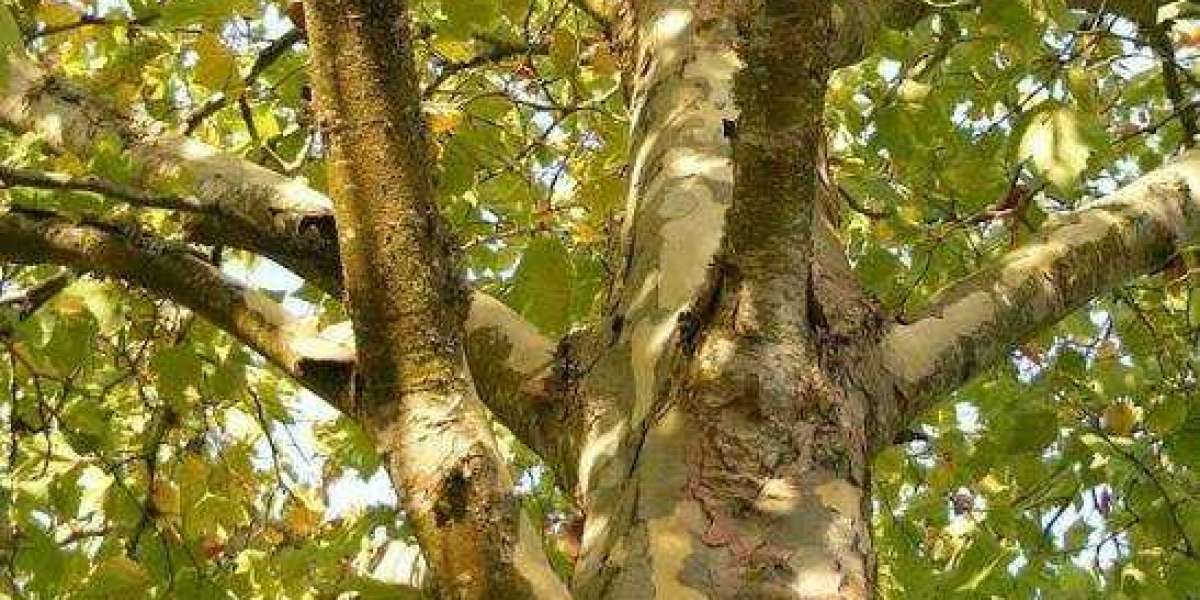

Sycamores are among the most iconic landscape features found across urban parks and residential yards. Recognized by their distinctive mottled, peeling bark and broad canopy foliage, these giant shade trees add immense character and visual interest to any property. However, despite their tough appearance and broad trunks, sycamores are vulnerable to specific fungal infections and environmental stresses that can cause sudden defoliation, disfigured foliage, and twig dieback during damp spring months.
Understanding common sycamore tree diseases is essential for anyone looking to keep these impressive shade giants healthy and structurally sound. Among these conditions, anthracnose remains the most prevalent fungal infection affecting sycamore foliage, causing early leaf drop, distorted twig growth, and overall canopy stress when spring weather remains unusually cool and wet.
Recognizing Early Symptoms of Anthracnose
Anthracnose manifests early in the growing season, just as new buds begin to burst open. The fungus infects young leaf tissue, creating dark brown, irregular lesions along the leaf veins. As the disease spreads, infected leaves brown completely, curl up, and drop prematurely from the canopy, often leaving branches completely bare by early summer.
In severe cases, the fungus attacks young shoots and small twigs, creating small sunken areas known as cankers. These cankers kill twig tissue, forcing the branch to send out clusters of weak shoots below the dead area. This unnatural growth pattern creates a distorted, bushy appearance commonly known as "witches' broom," which weakens branch structure over time.
Environmental Conditions That Support Infection
Fungal spores overwinter in fallen leaf litter and within small bark cankers on affected twigs. When spring arrives with cool temperatures and prolonged rainfall, fungal spores multiply rapidly. Rain drops splashing against twig surfaces transport these microscopic spores upward into expanding bud tissue, initiating a fresh cycle of infection.
Because high humidity and persistent moisture are required for fungal spores to germinate, years with long, wet springs see heavy anthracnose outbreaks. Conversely, dry, warm spring conditions limit spore movement, allowing trees to produce clean, healthy foliage with minimal spotting or defoliation.
Supporting Trees Through Recovery
While anthracnose can appear devastating when leaves drop rapidly in June, healthy, mature trees usually recover during the dry summer months. Once summer heat sets in and rainfall decreases, infected sycamores push out a secondary flush of new foliage. While this secondary leaf production stresses energy reserves, it allows the plant to continue photosynthesizing and maintaining vitality.
Proper sanitation is one of the best cultural practices for minimizing future fungal cycles. Raking up and destroying infected leaves in autumn removes the primary overwintering reservoir for fungal spores. Additionally, pruning out dead or cankered twigs during winter dormancy helps limit early spring spore loads before fresh leaves emerge.
Long-Term Canopy Protection and Management
Sustaining long-term health requires minimizing overall environmental stress. Ensuring proper soil aeration, avoiding physical lawnmower damage around the trunk flare, and applying balanced irrigation during summer dry spells helps trees withstand periodic spring fungal outbreaks without long-term structural decline.
With attentive structural pruning, good sanitation, and supportive summer care, sycamore trees can overcome seasonal foliage infections, continuing to provide impressive shade and architectural beauty for generations to come.