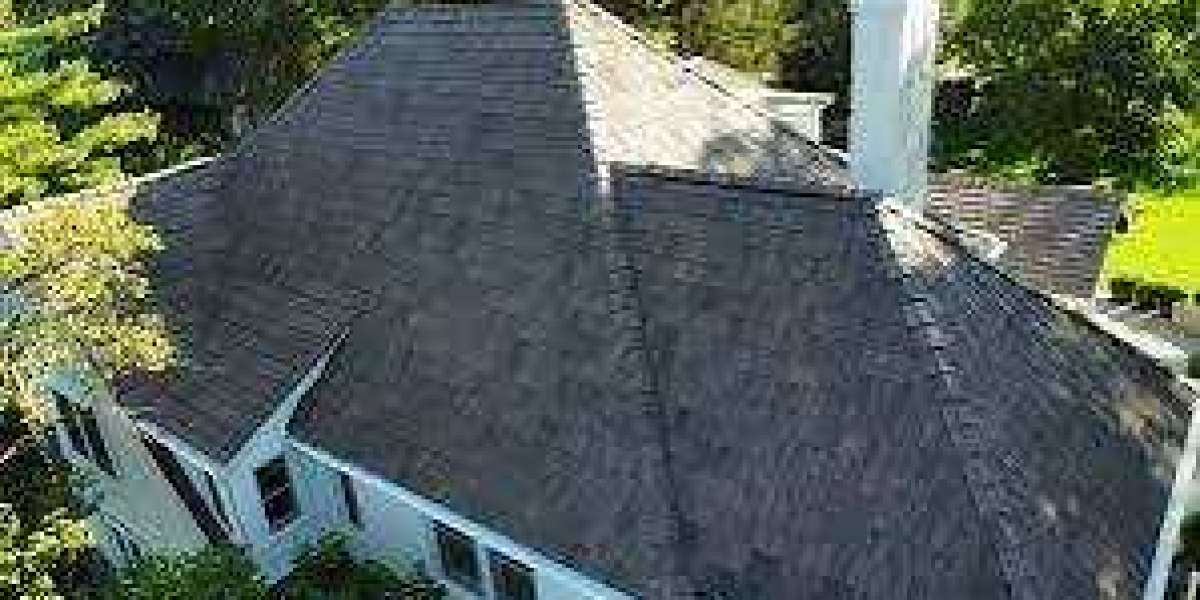

Building or maintaining a resilient home involves dozens of critical structural choices, but few choices carry as much weight as selecting and preserving a building's overhead protection system. A roof is far more than a simple layer of shingles; it operates as an engineered system of overlapping defenses, including ventilation channels, moisture barriers, ice shields, decking materials, and exterior coverings. When all these components work in harmony, they regulate indoor temperatures, reduce energy overhead, and maintain structural integrity against environmental forces.
Regional environmental dynamics play a heavy role in determining how long a residential overhead system remains fully functional. Working with a knowledgeable nebraska roofing company ensures that material selection, underlayment thickness, and installation techniques are specifically calibrated to handle sudden freeze-thaw cycles and powerful seasonal wind storms. Without proper engineering tailored to local climatic realities, even premium roofing materials can suffer premature breakdown and structural failure.
Decking structural health provides the foundational strength for every exterior material applied on top of it. Typically constructed from oriented strand board or plywood, the deck acts as the structural floor that holds fasteners in place while spanning the gaps between underlying trusses. If moisture seeps past the primary shingles and saturates the decking, the wood fibers soften and expand, greatly reducing fastener retention strength. This softening makes shingles significantly more susceptible to being blown off during standard windstorms because the underlying nails no longer hold securely in the deteriorated wood.
Attic ventilation represents another essential component that directly dictates the operational life of roofing materials. Proper attic airflow relies on a balanced combination of intake vents located along lower soffits and exhaust vents positioned near the roof ridge. This continuous air movement flushes hot, humid air out of the attic during summer months, preventing shingle under-baking and reducing air conditioning loads inside the home. During cold winter months, consistent airflow prevents internal attic temperatures from rising high enough to cause uneven snow melt and subsequent ice damming along exterior eaves.
Underlayment technology has advanced significantly over recent years, providing superior backup protection beneath primary surface coverings. While traditional organic felt paper was once the industry standard, modern synthetic underlayments offer vastly superior tear strength, UV resistance, and water repellency. Synthetic barriers do not absorb moisture or wrinkle when exposed to damp conditions, providing a smooth, stable surface for shingle application while serving as a durable secondary barrier against high-wind water intrusion.
Choosing between architectural asphalt shingles, standing seam metal panels, synthetic slate, or traditional wood shakes involves balancing upfront investment, aesthetic goals, and long-term maintenance expectations. Architectural shingles offer dense multi-layer construction that resists impact while mimicking the rich depth of natural materials. Metal roofing systems provide high wind resistance and long lifespans, making them popular for contemporary structures exposed to open terrain.
Regular observational checkups, coupled with timely clearings of organic debris from valleys and gutters, preserve these systems for their entire intended lifespan. By taking a holistic approach to roof design—focusing equally on framing, ventilation, moisture barriers, and surface durability—property owners can ensure their investments remain structurally sound, visually appealing, and thoroughly protected against changing environmental conditions.