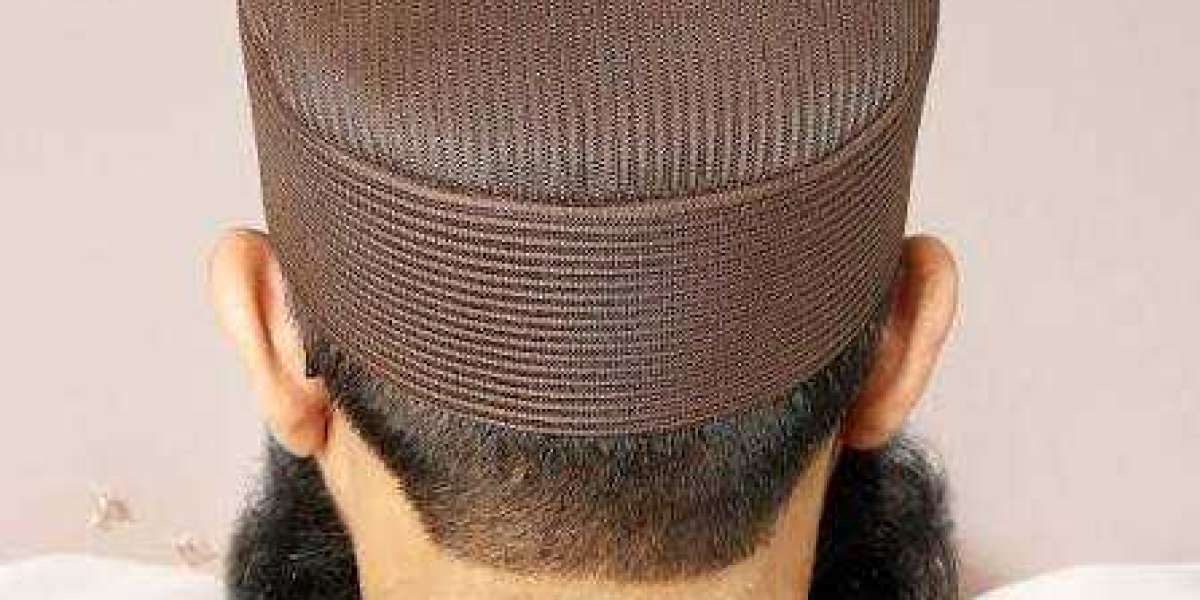

Headwear has long played a vital role in men’s fashion across various cultures, serving both practical purposes and symbolic meanings. In many regions, head coverings reflect personal dignity, spiritual awareness, and regional identity. From simple knit caps to complex wrapped turbans, the variety of traditional headwear offers a fascinating glimpse into global textile traditions.
For those interested in the subtle distinctions between different regional head coverings, learning about a traditional kufi helps clarify how small variations in shape, stitch patterns, and origins distinguish one cap from another. While these caps share a common purpose of covering the head neatly, their specific designs often signal geographic ties or distinct cultural lineages.
Regional Variations in Cap Design
Around the world, brimless caps are known by several distinct names, each associated with specific regions and tailoring techniques. In West Africa, headwear often features stiffened fabrics, bright colors, and geometric embroidery. In contrast, styles common in South Asia tend to be soft, closely fitted, and crafted with intricate threadwork or cutwork patterns.
The materials used in crafting these caps vary widely based on climate and intended use. Lightweight cotton and crochet knits are ideal for daily wear in warmer regions, offering breathability and ease of care. Rich velvet, silk blends, and heavily embroidered structured fabrics are typically reserved for formal gatherings, weddings, and holiday observances.
Spiritual and Practical Significance
Beyond their aesthetic appeal, close-fitting caps carry deep practical and cultural value. Historically, head coverings protected wearers from the elements, shielding the scalp from intense sunlight in dry climates. In many spiritual traditions, covering the head is a gesture of modesty, respect, and mindfulness during prayers and community gatherings.
This combination of utility and symbolism ensures that traditional caps remain an essential part of daily life for millions of men worldwide. The simplicity of the design allows it to complement both traditional robes and modern daily clothing effortlessly.
The Art of Handmade Headwear
While modern manufacturing processes can replicate standard caps quickly, handmade traditional headwear remains highly prized. Master artisans spend hours creating precise embroidery and structural stitching that gives each piece unique character and durability.
Supporting traditional craftsmanship helps preserve specialized textile skills that might otherwise fade away. Choosing well-made, authentic caps ensures better comfort, superior fit, and a genuine connection to centuries of cultural craftsmanship.