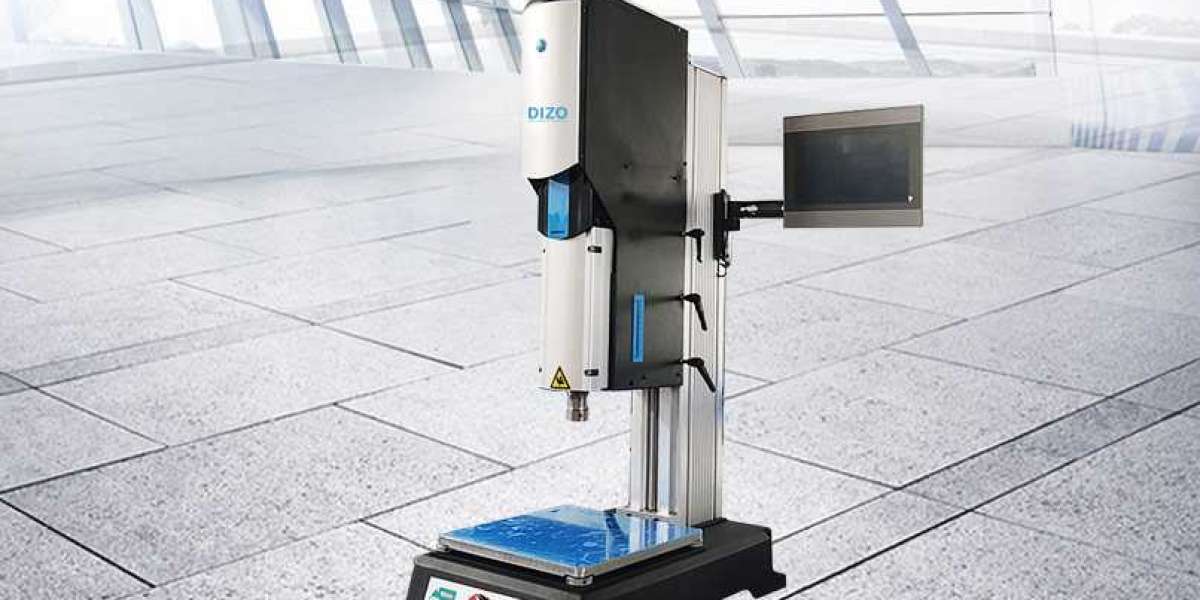

Maintaining precise temperature and vibration control in plastic PP ultrasonic welding processes is essential for consistent weld strength and preventing polymer degradation. Polypropylene (PP) is widely used for its chemical resistance, low density, and versatility—but it’s also sensitive to heat and vibration. Understanding how to manage these variables is the key to achieving reliable, durable welds.
Understanding Ultrasonic Welding of Polypropylene
Ultrasonic welding joins thermoplastics through high-frequency mechanical vibrations applied under pressure. The frictional heat generated melts the contact surfaces, and when cooled, a solid-state bond forms.
For PP, which has a relatively low melting point (around 160–170°C), too much heat or vibration can cause molecular breakdown or poor fusion. Too little, and the weld may be weak or incomplete.
Key Parameters in Ultrasonic Welding
The main process variables that affect weld quality are:
Amplitude: the magnitude of vibration applied to the parts.
Pressure: the clamping force that holds components together during welding.
Time: the duration of vibration and hold time.
Temperature: both of the interface and the tool (horn and anvil).
Each of these interacts with the others, making control systems critical.
The Role of Temperature Control
In PP ultrasonic welding, temperature must be carefully managed to stay within the polymer’s softening range. Overheating leads to thermal degradation, bubbling, or warping. Underheating causes incomplete fusion.
How Advanced Systems Manage Heat
Modern ultrasonic welders use closed-loop control systems that monitor energy input, horn temperature, and melt layer thickness in real time. By using infrared or thermocouple sensors, the system adjusts amplitude and time dynamically to maintain the ideal melt zone.
Benefits of Precise Temperature Regulation
Prevents polymer oxidation by avoiding excessive surface heat.
Improves appearance by reducing flash and surface burn marks.
Enhances mechanical strength through uniform melt flow.
Reduces rejects by ensuring repeatable weld conditions.
Energy Directors and Temperature Distribution
Energy directors—small triangular ridges moulded into one of the joining surfaces—focus the ultrasonic energy. Their geometry helps control how and where heat is generated, improving consistency and reducing cycle times. Proper design and alignment of these features are critical for temperature management.
The Role of Vibration Control
Vibration frequency and amplitude determine how energy is transmitted through the PP components. Too much vibration can cause internal stress, cracks, or excessive melt. Too little, and the bond may not form properly.
How Vibration Affects Weld Quality
When ultrasonic energy is applied, the molecules within PP oscillate rapidly. This friction creates heat, but if vibration amplitude varies or resonance is unstable, the result is inconsistent melting.
Precise control of vibration stabilises the process and avoids defects such as:
Cold welds (insufficient melting)
Micro-cracks (from over-vibration)
Voids or inclusions (from inconsistent energy flow)
Smart Control Systems
Advanced ultrasonic welding machines employ digital frequency tracking and automatic amplitude control. These systems detect changes in part geometry or material density and adjust vibration patterns in milliseconds. The outcome is a stable, repeatable weld.
Integrating Temperature and Vibration Control
Temperature and vibration are not independent; they influence each other. Increased vibration raises local heat, while higher temperatures can alter vibration transmission. Modern systems integrate both controls within one platform, using algorithms that adjust power delivery based on feedback from sensors.
Process Monitoring and Data Analytics
Digital control units can log every weld cycle—capturing force, amplitude, time, and temperature curves. This data allows operators to:
Identify trends that lead to weld failure.
Set acceptable process windows.
Maintain consistent quality across multiple production runs.
Predictive analytics can even flag potential issues before they occur, such as horn wear or part misalignment.
Avoiding PP Degradation
Polypropylene is sensitive to thermal and mechanical stress. Degradation manifests as discolouration, odour, brittleness, or reduced tensile strength. The two main causes are oxidation from excessive heat and molecular chain scission from vibration stress.
Strategies to Prevent Damage
Limit peak temperature to just above the melting point.
Use energy directors to focus heat where needed.
Optimise weld time to minimise exposure.
Employ active cooling for tooling surfaces.
Apply amplitude ramping, where vibration intensity increases gradually to reduce shock.
These techniques preserve the material’s integrity while ensuring the weld is strong.
Advances in Control Technology
Recent developments in servo-driven ultrasonic systems have revolutionised PP welding. Unlike older pneumatic systems, servo systems provide real-time feedback and smoother control over motion, pressure, and amplitude. When combined with digital sensors, they deliver:
Higher precision
Faster response times
Lower energy consumption
Improved traceability
Manufacturers are also integrating AI-assisted tuning, where the machine learns from historical weld data to auto-adjust parameters for optimal performance.
Practical Applications
Temperature and vibration control are critical in industries where PP components must maintain integrity under pressure or heat, such as:
Automotive (fuel lines, bumpers, interior panels)
Medical devices (fluid containers, filter housings)
Consumer goods (appliance parts, packaging)
Consistent welds improve safety, reduce material waste, and lower rework costs—key goals for modern manufacturing.
Best Practices for PP Ultrasonic Welding
To maintain quality and efficiency:
Preheat parts if working in cold environments to stabilise initial conditions.
Keep tooling clean and aligned to avoid uneven energy transfer.
Use consistent clamping pressure to prevent displacement.
Regularly calibrate sensors and control systems for accurate readings.
Document parameters to build a quality assurance library.
Future Trends
As automation grows, smart ultrasonic welding is becoming standard. Expect systems with self-calibrating horns, adaptive vibration feedback, and temperature mapping that visualises weld zones in real time. These innovations will reduce human error and allow faster setup changes between different PP components.
Conclusion
Effective temperature and vibration control in plastic PP ultrasonic welding processes determines the difference between a strong, reliable joint and a failed one. With modern closed-loop and digital monitoring systems, manufacturers can optimise weld quality, extend tool life, and prevent PP degradation.